This post explores how M Chemical is innovating in the field of spent catalyst recycling. We delve into the processes, challenges, and impacts of their techniques on the industry and environment. As the demand for more sustainable industrial practices increases, M Chemical stands at the forefront with its cutting-edge solutions.
Catalyst Recycling Basics
The Definition of Catalyst Recycling
Firstly, catalyst recycling refers to the process of retrieving valuable metals and materials from used catalysts for reuse. This is crucial as catalysts often contain precious metals like platinum, palladium, and rhodium, the extraction of which can be resource-intensive. By recycling these materials, we reduce the demand for mining activities and contribute to the sustainability of natural resources.
The process involves several steps, including sorting, crushing, and smelting, to separate and purify the metals. Innovations have streamlined these processes, making them more efficient and less costly. This not only supports industrial efficiency but also significantly lowers the environmental footprint of the chemical sector.
This recycling is increasingly gaining attention due to its potential to address both economic and environmental concerns. As industries strive for carbon neutrality, recycling reduces the need for landfill disposal and helps in achieving these goals. According to Cognitive Market Research, the global catalyst recycling market size was $102,514.2 million in 2024, underscoring its significant economic impact.
Environmental Benefits
Recycling catalysts plays a pivotal role in reducing industrial waste, minimising the release of harmful substances into the environment. By reusing catalysts instead of producing new ones, industries can conserve energy and reduce emissions associated with manufacturing. This commitment to reducing harm to ecosystems forms a core objective of modern environmental management practices.
One of the primary environmental benefits is the reduced pressure on mining activities, which are often detrimental to surrounding environments. By extending the life of resource-intensive metals, recycling helps preserve biodiversity and mitigate habitat destruction. Additionally, less waste in landfills results in a lesser chance of soil and water contamination due to leachates.
Economic Impacts
The financial advantages of catalyst recycling are substantial, offering cost savings to industries while contributing to broader economic growth. By recycling valuable metals, companies reduce the need for purchasing raw materials, thereby improving their bottom lines. This cost efficiency is particularly vital for industries reliant on precious metal catalysts, where incremental savings can have a sizable cumulative effect.
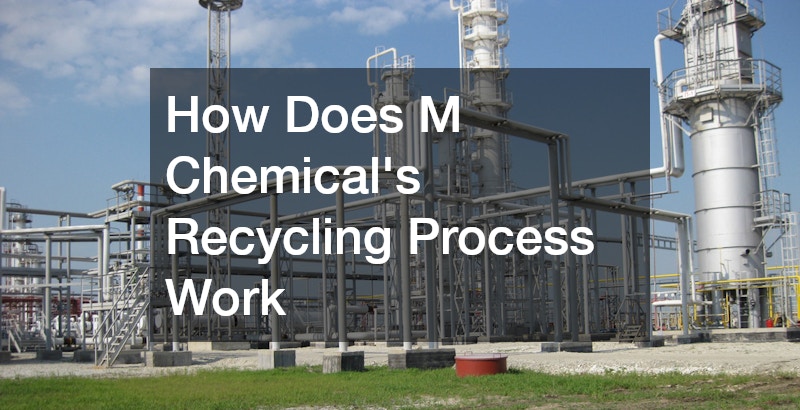
How Does M Chemical’s Recycling Process Work
M Chemical’s Innovative Techniques
M Chemical employs a series of innovative techniques that set its recycling process apart from conventional methods. By utilizing cutting-edge technology, the company maximizes the recovery of precious metals from spent catalysts. This not only enhances the efficiency of resource use but also reduces the wastage of finite materials, thereby reinforcing sustainability goals.
Process Efficiency and Challenges
While M Chemical’s recycling process is highly efficient, it is not without challenges. One of the major obstacles is maintaining a balance between efficiency and cost-effectiveness, especially given the volatile nature of metal markets. Developing technology that ensures high recovery rates while remaining economically viable is a constant hurdle.
Another challenge is the variability in catalyst compositions, which requires adaptable techniques for effective recycling. The heterogeneity of spent catalysts demands a tailored approach to each batch, necessitating robust quality control and characterization methods. Overcoming these variations without compromising efficiency is a testament to M Chemical’s innovative prowess. Call M Chemical today to learn more about catalyst recycling.
About the Author